Parc Global Acquires Blu Hygiene and Aura Brand

We’re pleased to announce that Parc Global has acquired Blu Hygiene, along with its well-regarded Aura brand of washroom and skincare products. This strategic acquisition strengthens our product range and reinforces our position as one of the UK’s leading janitorial and hygiene suppliers.

Under this new structure, Blu Hygiene’s operations, team, and customer relationships will continue seamlessly — with the additional backing of Parc’s logistical infrastructure, expanded coverage, and resources. For customers, this means faster deliveries across the North of England, access to an expanded portfolio, and improved support and innovation.

The Aura brand, known for its handtowels, wipes and hand soap ranges, now becomes part of Parc Global’s offering, bringing trusted products and formulations into our broader hygiene catalogue. Aura items will continue to be available without interruption, now supported by Parc’s buying power, distribution capacity, and technical support capabilities. You can view our full Aura range on our website here: www.aura-sales.com

We invite all customers and suppliers to learn more about the transition, browse the enhanced product range, and start using our new ordering platform at shop.parcglobal.com. Together, Blu, Aura, and Parc are charting a new chapter in delivering quality, reliability, and innovation in hygiene solutions.

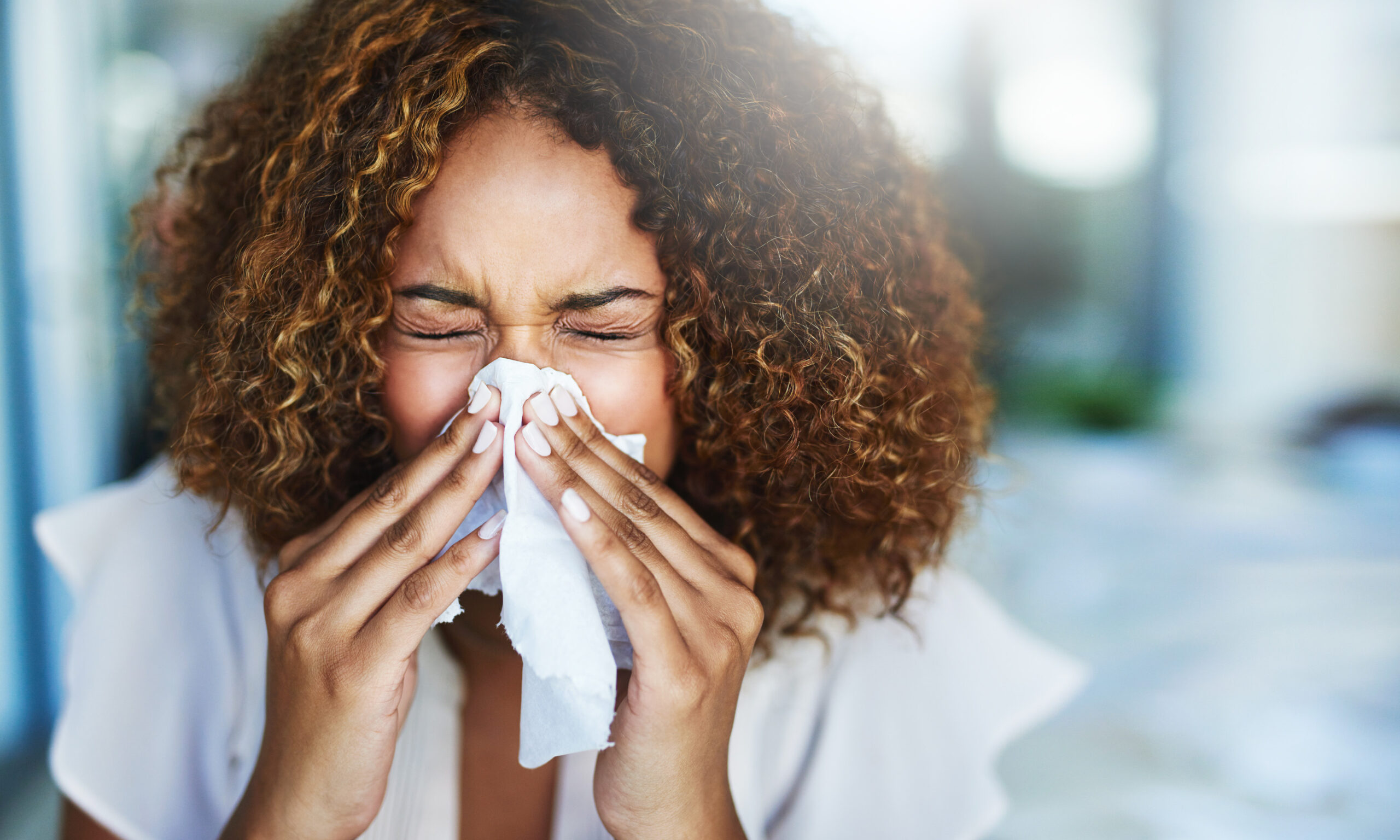
Woman Sneezing into Tissue

How air purifiers filter allergens and alleviate hay fever symptoms

Summer is quickly approaching, and that means one thing only; hay fever symptoms are on the rise, much to our dismay.

With grass trimmers out, trees and flowers blooming, and pollinators spreading the fine pollen powder, it is no surprise when our eyes start to water. Hay fever season has well and truly begun, with the pollen count only continuing to rise.

Up to one in five of us suffer from hay fever in the UK, experiencing unpleasant symptoms often misconceived as the common cold, from runny noses to sneezing, coughing, itchy eyes and more.

So what can be done to reduce hay fever’s impact on many of our lives during the spring and summer months? That’s where Parc Medi Air Purifiers come into play.


Can an air purifier reduce hay fever symptoms?

For many of us, hay fever means stocking up on antihistamines with the hope our symptoms will ease, but in most instances, they fail to take the edge off or only provide temporary relief and often require frequent top-ups throughout the day.

It’s often presumed that escaping into the safety of the indoors during hay fever season can reduce the allergens in the air. However, pollen particles can travel far and wide, attaching themselves to household items and causing your seasonal allergies to act up.

Pairing hay fever tablets with an air purifier can provide comfort to hay fever sufferers in hospital, school, or office settings by filtering allergens, helping to reduce flare-ups, and allowing you to work or learn in a pollen-free environment.

Air purifiers help to filter allergens by pulling air in through the fan and passing it through ultra-efficient filters before recirculating it back into the environment. The filter cleanses the air by trapping and removing airborne particles and viruses, such as pollen, before emitting the purified air.

Which is the best air purifier for hay fever?

Air purifiers are not always designed to tackle allergens, but at Parc Global, our Parc Medi range has been developed to eliminate viruses and bacteria and prevent airborne allergies, infections and sickness through advanced HEPA filtration using a high-efficiency particulate air filter coupled with UltraViolet Light sterilisation treatment of the air. This filtration system has been proven to remove at least 99.95% of the impurities and particles in the air.

At Parc Global, we have four air purifiers designed to alleviate allergies caused by airborne particles and viruses, and specifically proven to tackle pollen and soothe hay fever symptoms:

ParcMed Medi8 UV-C Air Purifier

Our ParcMed Medi8 UV-C Air Purifier has a 5-stage filtration system, including the G3 filter, the HEPA13 filter, the carbon filter and the UV-C steriliser, purifying up to 99.999% of particles.

ORDER YOURS TODAY
ParcMed Medi6e UV-C Air Purifier

Our ParcMed Medi6e UV-C Air Purifier has been designed with HEPA Carbon filters and UVC intelligent sensors, smart function and remote control.

ORDER YOURS TODAY
ParcMed Medi5 UV-C Air Purifier

Our intelligent ParcMed Medi5 UV-C Air Purifier is 99.999% effective in purifying air particles and eliminating allergens.

ORDER YOURS TODAY
ParcMed Medi4e UV-C Air Purifier

Our ParcMed Medi4e UV-C Air Purifier is a powerful unit with HEPA & Gold Carbon Filters, UVC and an array of additional features.

ORDER YOURS TODAY

Don’t let hay fever consume your summer

Summer doesn’t have to be spent tackling the dreaded hay fever symptoms. By implementing an air purifier into your commercial space, you help create an allergen-free zone allowing individuals to achieve their daily tasks comfortably.

For more information on air purifiers to relieve hay fever, contact our experts today.

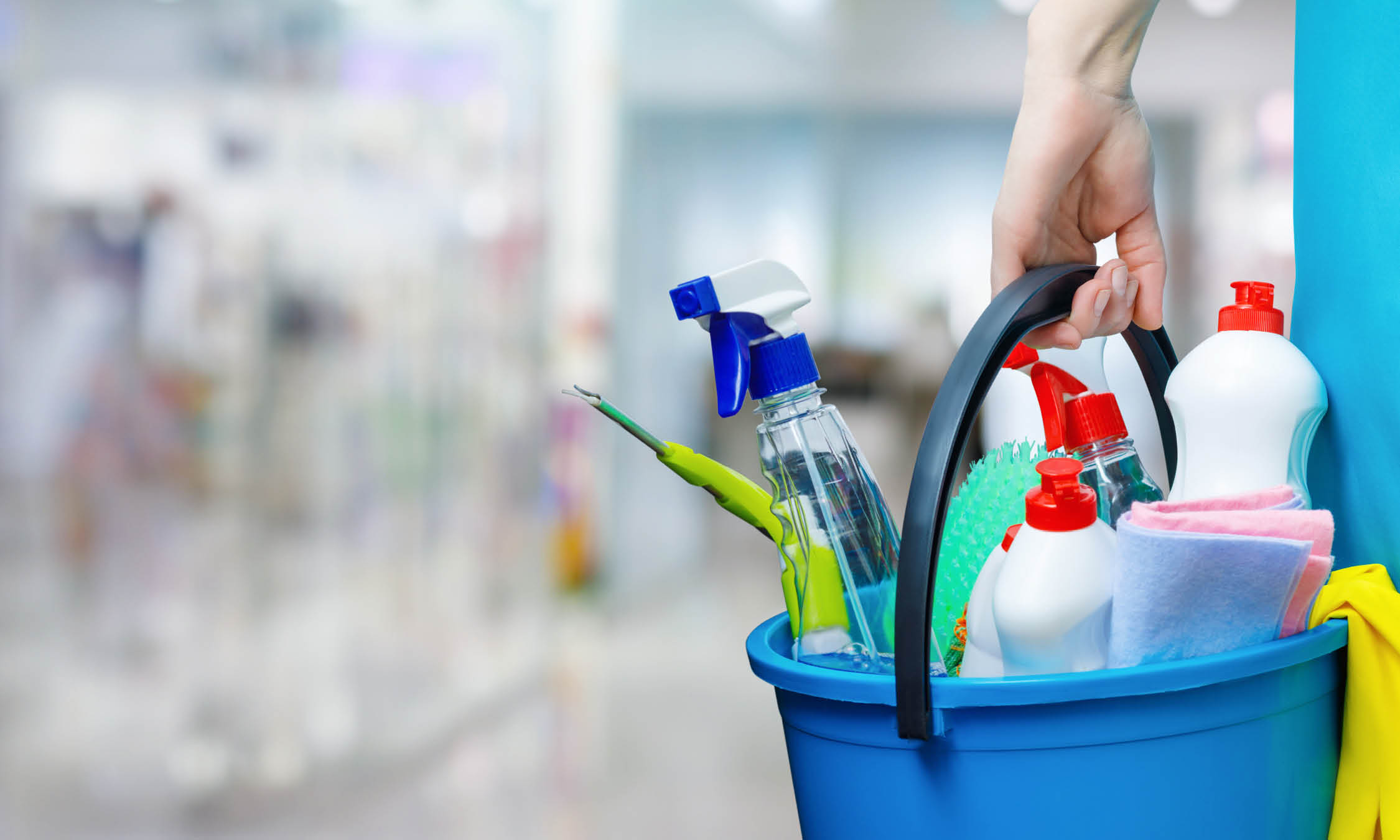
Person Carrying Bucket Of Janitorial Supplies

I’m a time-stretched manager, how can I manage my cleaning stocks effectively?

We often take calls from customers requiring urgent washroom deliveries of essential items. With a busy schedule and multiple tasks, it’s easy to lose track of the items in the cleaner’s cupboard, and team members don’t always mention when hygiene supplies are running low.

Imagine if you could have someone else to keep checking your cleaning cupboards – someone who would come in and keep tabs on all the key items and let you know when you need to order more janitorial cleaning supplies.

Using Parc Global’s OSSC service, we’ll stock up your cupboards with as much janitorial stock as you require. We’ll come in on a regular schedule to check your hygiene supplies and let you know what needs ordering, and you’ll only be invoiced for the stock you used – not what’s still on the shelf! For more details, contact Parc Global today.

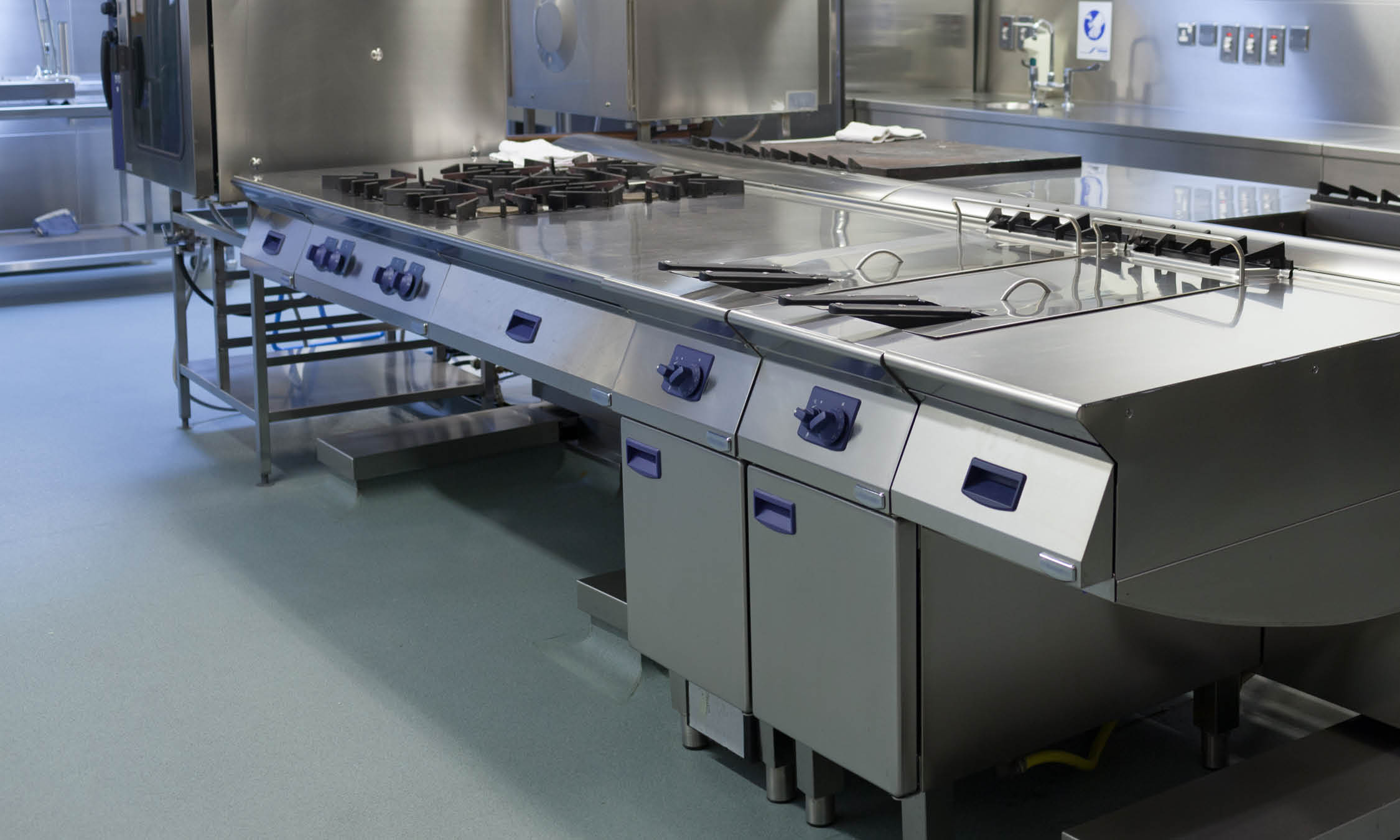
Clean And Hygienic Kitchen

How do I keep slip-resistant floors like Altro and Polysafe clean?

Slip-resistant floors are heavily textured by design. They are by far the most effective way of controlling potentially slippery floors in washroom areas and any area where the floor is likely to become wet, but this efficiency is achieved by the heavy texture on the surface, and it is this heavy texture which also collects dirt.

When viewed under a microscope, the undulations are visible and it’s easy to see why this surface is so difficult to keep clean.

In addition to this heavy texture, these floor surfaces also contain small pieces of carborundum. Whilst being very effective at increasing friction to further reduce slips, this material is also incredibly abrasive and quickly wears away mops and pads, often leaving a residue of fibres on the floor.

To remove the dirt efficiently without wearing through a large volume of consumables, the first requirement is to emulsify the dirt, or in other words, loosen it from the floor so it’s absorbed in the wet solution. If the floor has not previously been cleaned with a floor cleaning machine, it’s likely to be well-engrained and relying on the power of the scrubbing won’t do it. When cleaning a floor with a floor pad or scrubbing brush, much of the abrasive power of the floor cleaning pad or brush will not reach into the small indentations of the floor, so by loosening the dirt with an effective cleaning chemical such as Verto Safety Floor, the resultant slurry can be easily removed using a microfibre pad, mop and bucket, or wet vac.

To ensure the dirt is properly released from the surface, the floor cleaning chemical must be allowed long enough ‘dwell’ time. We recommend leaving the solution on the floor for at least ten minutes, before scrubbing and mopping off the slurry.

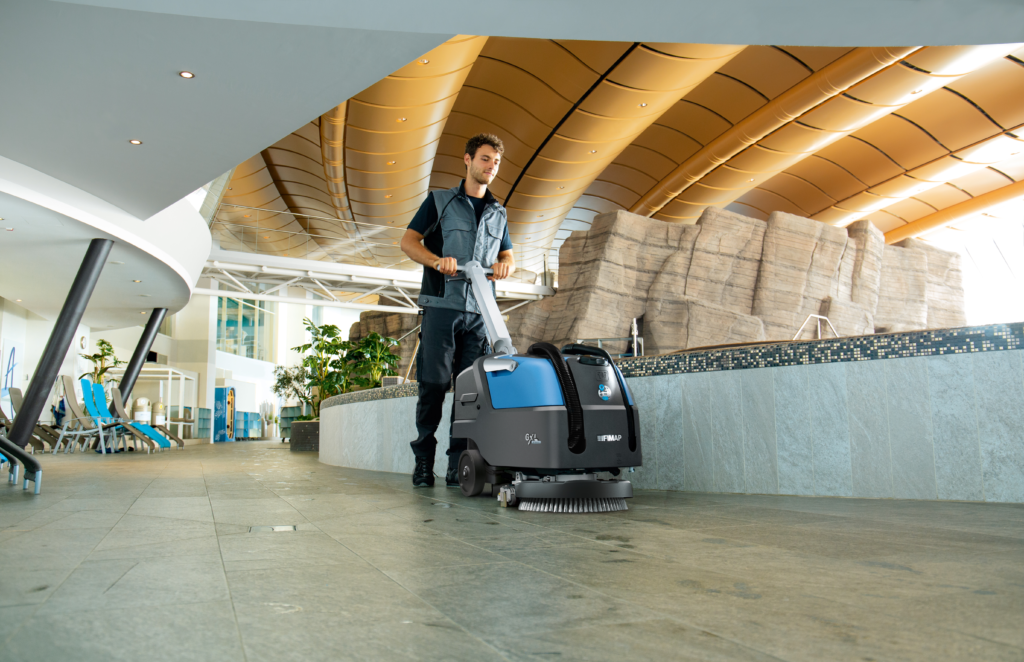
Use a suitable scrubber drier to achieve the most effective and fastest results. Even a small investment in a small machine will make a huge difference to the challenge of cleaning slip-resistant floors. For more information on our cleaning machines, view our range here: https://parcglobal.com/floor-cleaning-range/

Janitor Cleaning With Antibacterial Spray And Cloth

How do I implement and manage colour coding in my establishment?

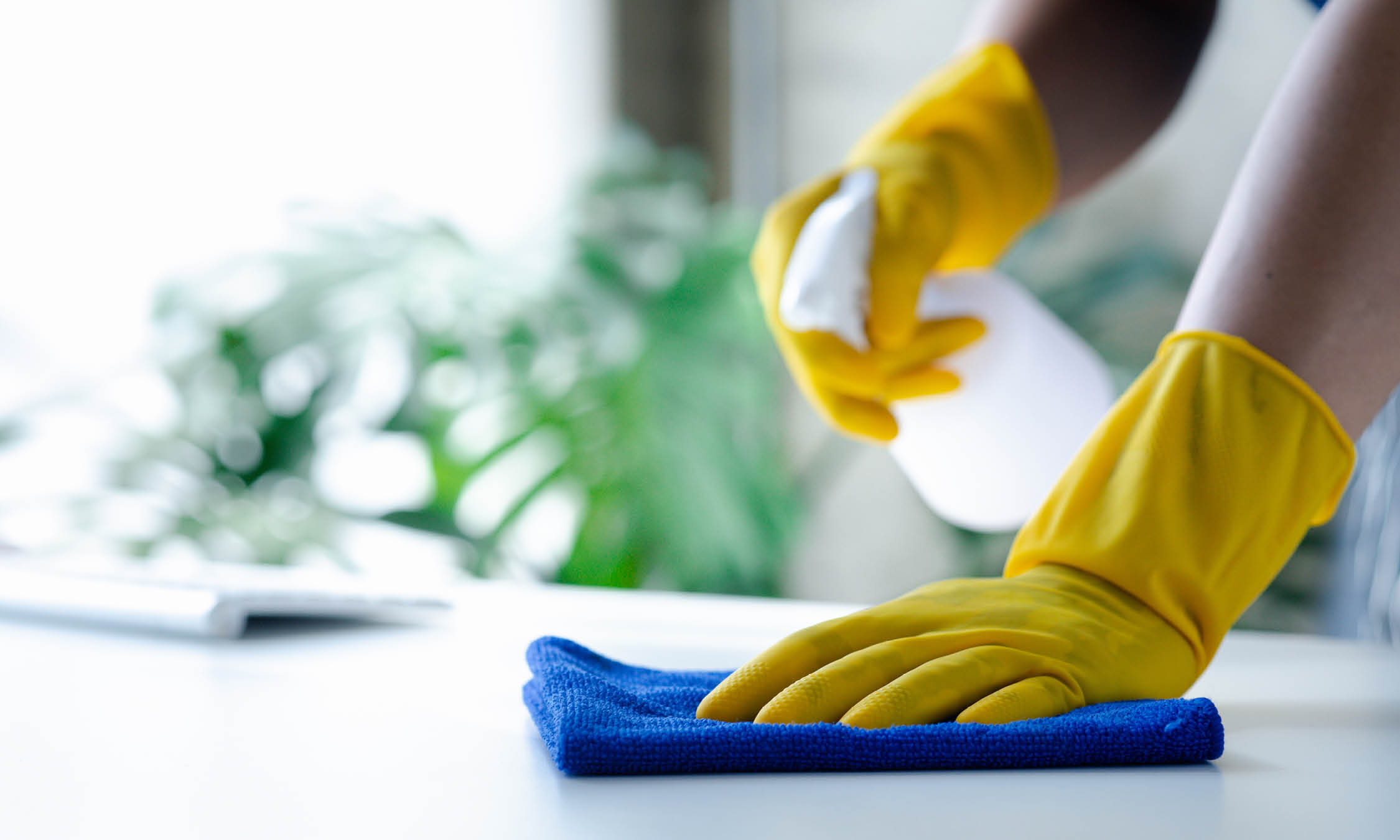
Colour coding is essential in any building to avoid cross-contamination. How do you prevent cleaners from using the same cloth for the washroom and kitchen without a proper colour coding system?

The most important part of a colour coding programme is that everyone is aware of the programme, and it is well promoted. It’s also essential to keep it as simple as possible, ideally using colours which naturally link with the areas you’re cleaning; for example, red may be used for washroom areas as these can be seen as the most dangerous in terms of contamination levels. If there are other colours in use around the facility, consider trying to tie into these colours, but remember to keep to the four common colours in the industry – Blue, Green, Red and Yellow. If other colours are chosen, it could be difficult to source cleaning items.

Once the colour scheme is determined, create some simple posters to educate your team. It’s also a good idea to put coloured stickers on the walls in the different areas. When users become familiar with the colour selections, the colours will become second nature.

Also just remember that 1 in 12 men and 1 in 200 women are colour-blind! One way to overcome this is to include numbers with your colours, so Blue is One, Green is two and so on. If you do have team members who are colour-blind, it’s worth including them in the development of your colour-coding cleaning programme.

Mop And Bucket With Chemical Cleaning Solution

Is it worth spending more on super concentrate chemicals?

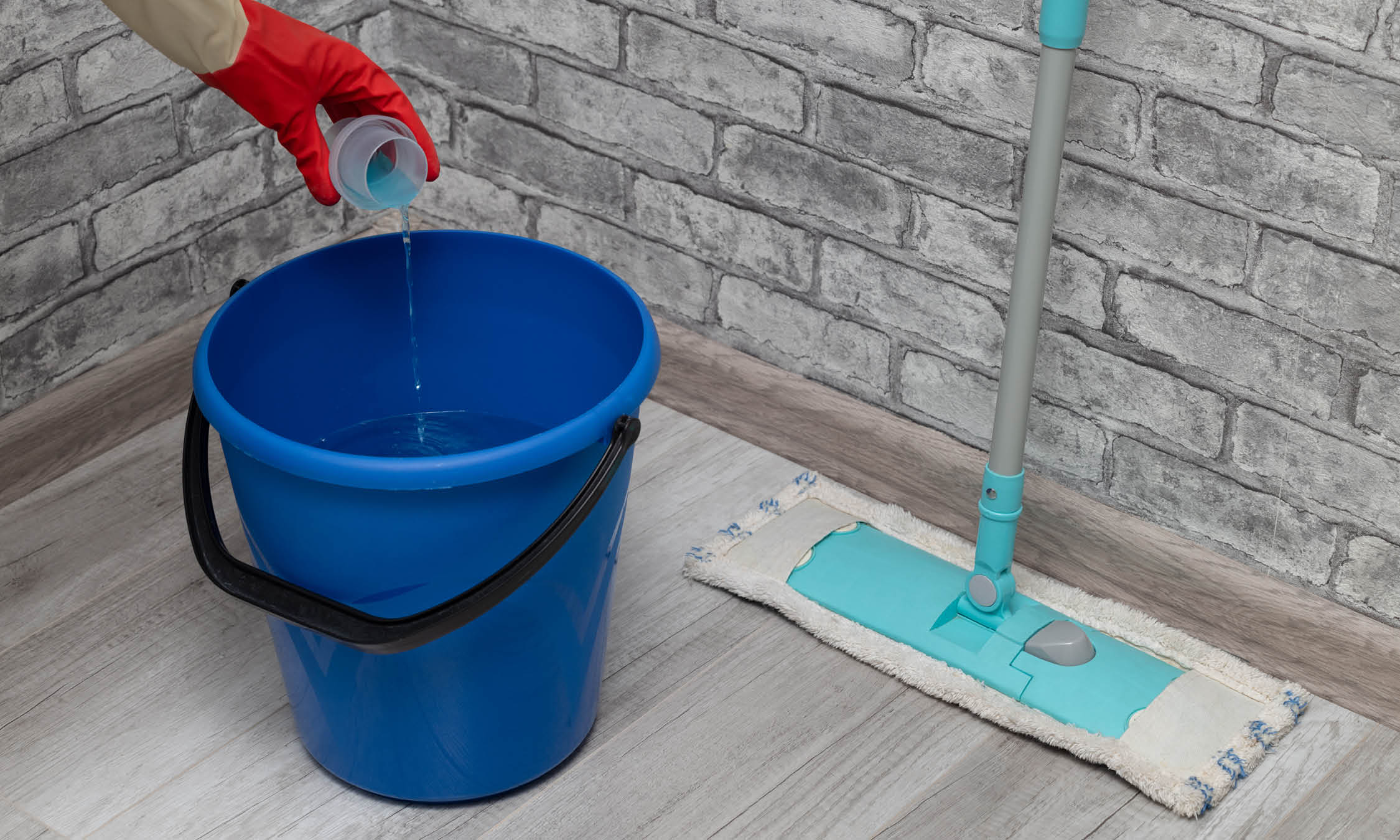
With the advent of concentrate cleaning chemicals over the last few years, several different systems have been developed including dosing machines, dosed bottles, tablet formats, dissolving capsules, sachets etc. They’re typically more expensive due to the high concentration of chemicals, but are they worth it?

The main consideration with concentrates is that they are controlled. Concentration without control can become expensive and inefficient, as any wastage is expensive and presents a significant health and safety issue due to the hazard levels of the chemical. When considering concentrates it’s worth considering if your staff can access the surface and floor cleaning concentrates easily- are they likely to dilute it as intended, with a very small amount in a volume of water? And what happens if that bottle or tub is knocked over? That’s a very expensive spill and a very hazardous one.

Concentrates typically have very hazardous warning triangles on them. This can be managed effectively by limiting access to the product, but if the control is limited, it becomes a potentially hazardous process which would be very difficult to develop a satisfactory risk assessment for.

The best systems we’ve found, provide that critical control either via a wall-mounted intelligent dispenser, or sealed bottles with specialist closures which can’t be removed. When dosed properly, cleaning concentrates offer a very safe and extremely cost-effective way of dealing with cleaning chemicals. But if you don’t choose the right system, it could become challenging to manage economically and safely.

Man Using MMG Plus Floor Cleaning Machine To Clean Warehouse Floor

Why spend thousands on a floor-cleaning machine?

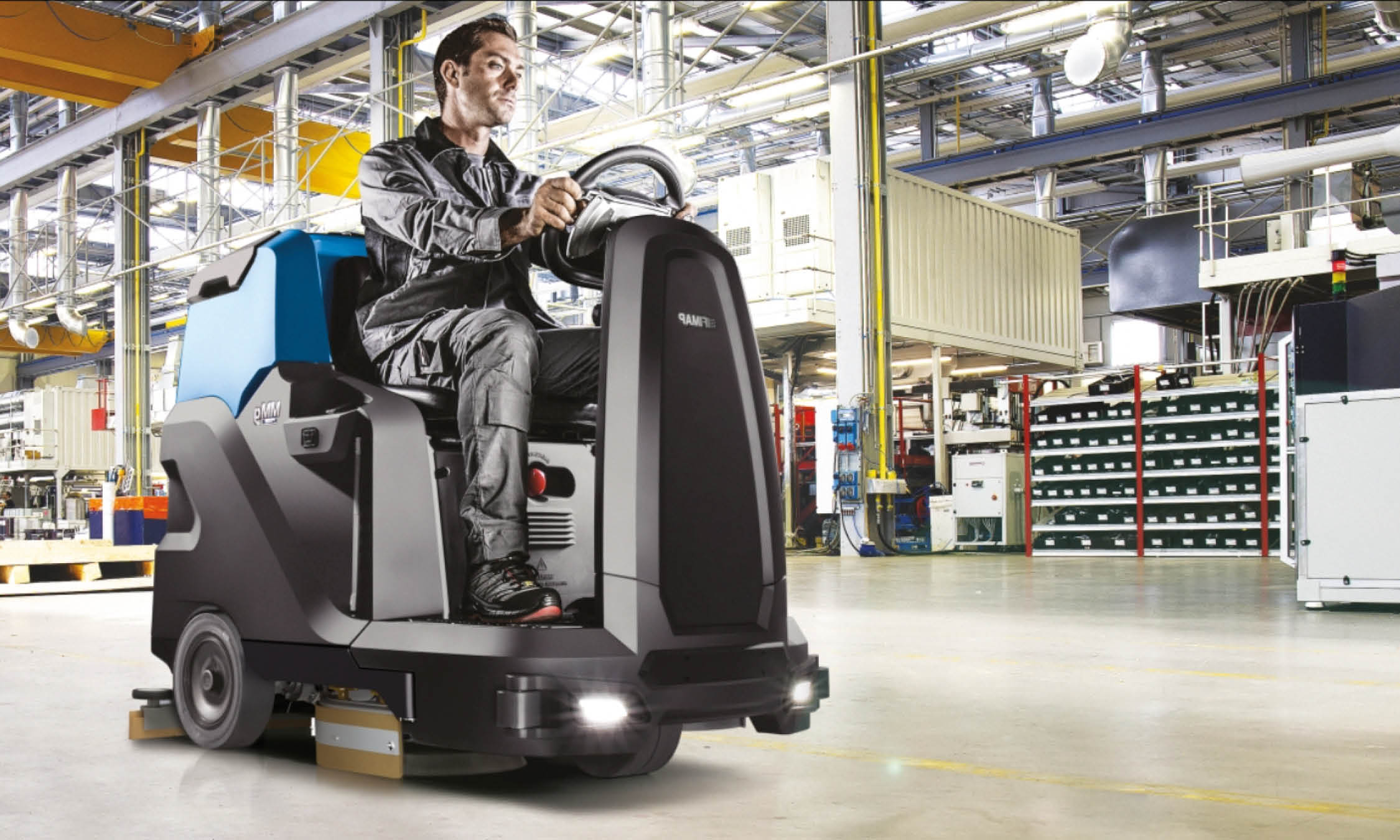
When we demonstrate floor cleaning equipment, the instant results on the floor are always very impressive. The clean stripes on the floor perfectly demonstrate how much more effective the floor cleaning machine is against a mop and bucket.

But what’s even more impressive is how fast we can achieve that clean, with such a small number of consumables and effort compared to using a more traditional style mop and bucket.

The solution in a mop and bucket is often diluted with insufficient water, resulting in a solution which is very difficult to rinse from the floor. Whilst the mop will always clean some dirt, it will also leave a lot of dirt on the floor, as well as a lot of detergent.

The dried detergent solution leaves a sticky residue which attracts dirt, and the floor gets dirtier quicker. This results in a vicious circle of more detergent, more dirt, more detergent and so on!

This creates a constant challenge where the cleaner is spending much of his or her allocated hours trying to keep the floor clean, with demoralising results despite their best efforts.

This time spent is also a massive hidden cost in many maintenance programmes, and by introducing a floor cleaning machine to do the work, you can significantly reduce the hours required, or allocate the spare time to other important cleaning tasks.

Washroom Paper System In A Washroom

What are the benefits of washroom paper systems over conventional toilet rolls and hand towels?

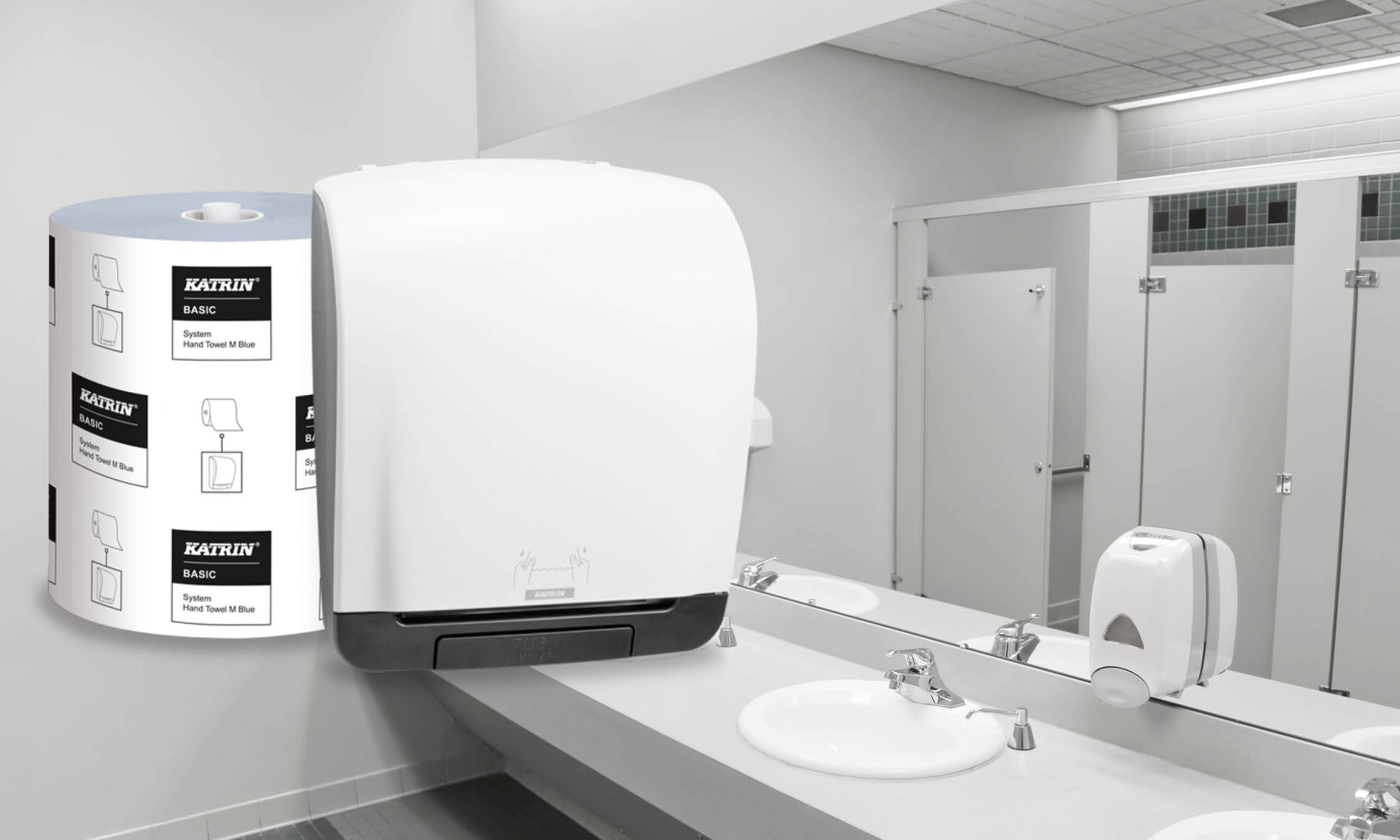
Conventional systems such as Jumbo, domestic-style toilet rolls, bulk packs etc, typically lack control in the dispenser.

Many, particularly Jumbos, can give an inconsistent dispensing experience, so they feel heavy and have some tension when the dispenser is full, but they become lightweight and free-flowing as the dispenser empties

This lack of control and inconsistency can lead to a mess of wasted paper on the floor, and excessive usage. It’s also common to see spare packs of tissue left in the washroom for use if the dispenser becomes depleted. These spare packs often end up on the floor, or in some cases become subject to pilfering.

In addition to the problems with conventional toilet roll systems, folded or interleaved hand towels often come out of the dispenser in clumps, or fall out onto the floor. This makes for a messy washroom, and waste bins filling up too quickly with unused tissue.

The cost of all this wasted paper and the hidden cost in time spent tidying the washrooms and emptying the bins far outweighs the cost of system paper products which are typically more expensive per sheet or towel than conventional systems.

In addition to the financial burden of inefficient washroom paper machines, there’s also a massive environmental impact with the wastage of paper. Many modern system manufacturers have very high ethical standards on paper production, with the Ecoflower and the Nordic Swan being key kitemarks to look out for. Using paper tissue which subscribes to these standards is a brilliant reflection of your commitment to developing a sustainable future for all.

So, when calculating the cost of implementing a new washroom paper towel dispenser, don’t just look at price per sheet or price per meter, as that can often give a misleading view of the savings you could make. To understand the savings you could make, call Parc Global on 0113 220 4080.

Sustainable Floor Cleaning Chemicals

What makes our chemical range so sustainable?

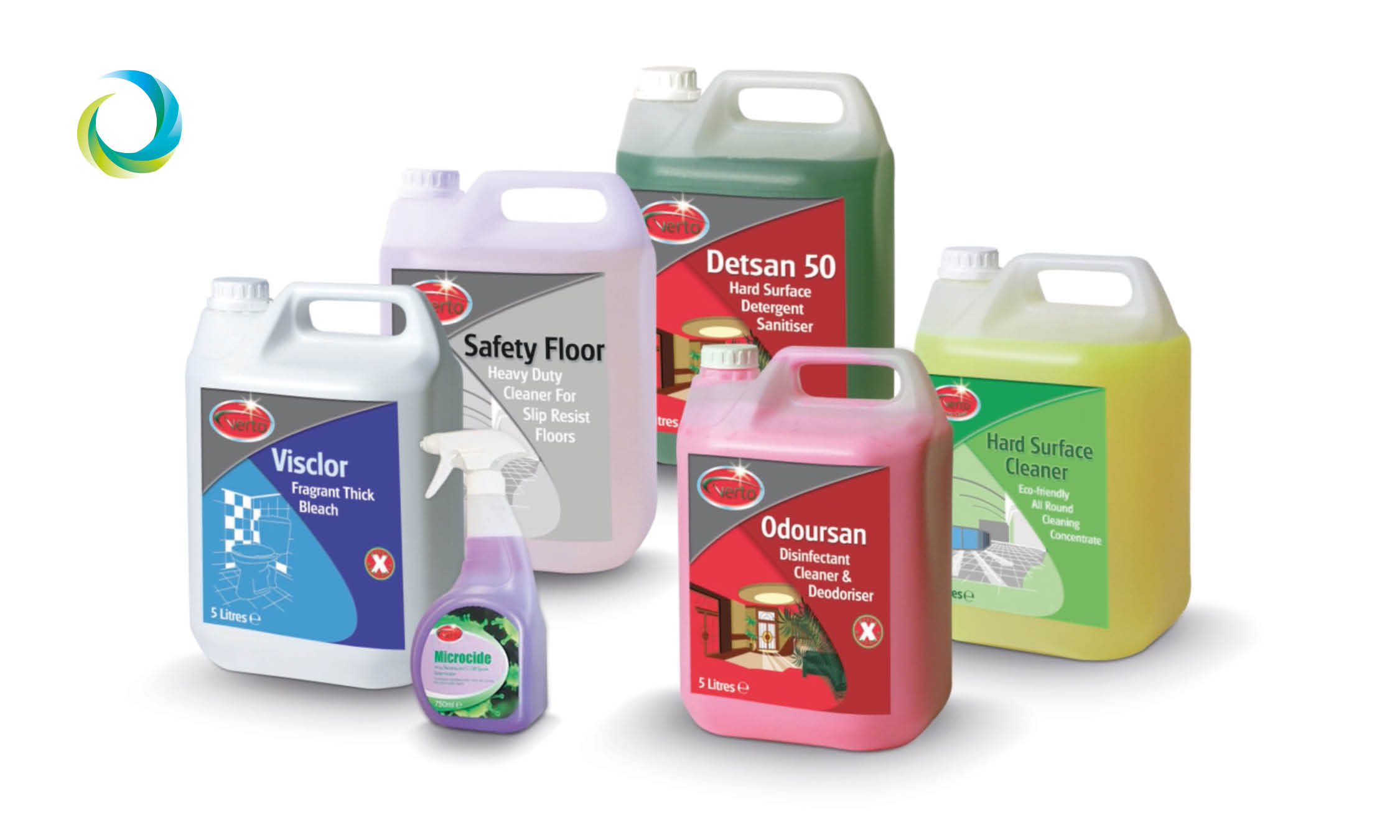
The products in our Verto chemical cleaning range are all non-toxic, non-flammable, non-carcinogenic and non-harmful to marine and aquatic life.

Made from environmentally friendly ingredients, they are designed to be user-friendly and biodegradable; whilst complying with all current and forthcoming legislation around chemical use and manufacture.

Our manufacturing plant is the only plant of its type to dispose of effluent waste through onsite biological waste treatment, releasing only pure water into the environment after the treatment process.

All our bottles and caps are made from a minimum of 30% recycled content and are fully recyclable, whilst the cardboard boxes are 100% recycled and 100% recyclable.

This ensures that our Verto products can be used confidently, in the knowledge that they have been manufactured ethically, they’re safe to use and will biodegrade back to water in the waste system, ensuring that there is no pollution. All plastics used are recycled and manufactured to minimise environmental impact, making the Verto range of products the go-to products for sustainable cleaning.

Clean Classroom, Kitchen And Healthcare Collage

Understanding Common Industry Infections and How to Control Them

Germs are everywhere. Most of them are harmless – and usually, our immune systems can fight off the ones that aren’t – but some germs can mutate to get past your body’s defences, and some groups are more at risk of infection than others. Knowing what causes infections and how they spread can help keep you and others safe.

In this blog, we look at common infections that affect the education, healthcare, and manufacturing industries and share some guidelines to help you prevent transmission and control infection rates.

Infections: causes & transmission 

Infections are caused by microorganisms like bacteria, viruses, parasites, and fungi – also called germs. The ‘modes of transmission’ vary according to the specific infection, so the precautions you can take to prevent them from spreading depend on what kind of germs they are.

Airborne or droplet spread – common colds, COVID-19, influenza (flu), whooping cough

Respiratory infections like these spread via small respiratory particles. You don’t necessarily have to have close contact with an infected person. Sneezing, coughing, and talking can spread droplets – but they may also contaminate hands, cups, toys, etc., and spread to others who touch these items, especially if they touch their nose or face afterwards. Adequate ventilation and good respiratory hygiene behaviour are vital for combating the spread of airborne germs.

Direct contact spread – chickenpox, mononucleosis (mono), norovirus, MRSA

Some infections spread via direct contact. They can be transmitted skin-to-skin, via contaminated food or surfaces, and through contact with infected bodily fluids. In these cases, it is essential to maintain a clean and sanitary environment to prevent the spread of infection.
A guide to preventing infections in different environments

1. Education

Common infections: Colds, flu, strep throat, gastroenteritis (stomach flu), ear infections 

Infections are common in education settings. Germs spread quickly when lots of people come into regular physical contact with each other. And while a child’s immune system is still developing, they are more susceptible to viruses and bacteria. Attending school face-to-face is very important for the well-being, development, and future of children and young people, and illness is the most common reason for missed classes.

A report published by the Department of Education in March 2019 states that illness is the main reason for absence from school for pupils of all ages in the UK. 54.7% of absentee pupils were off with sickness in the academic year 2017-2018.

To protect pupils and staff and minimise disruptions to the curriculum, educators should employ best practices for infection prevention and control in school, college, and childcare settings:

  • Hand hygiene: Ensure all pupils and staff have access to liquid soap, warm water and paper towels; educate children on the importance of regular handwashing.
  • Respiratory and cough hygiene: Encourage everyone to follow proper respiratory hygiene and cough etiquette.
  • Cleaning: Clean and disinfect all surfaces according to a regular schedule; ensure cleaning staff have the right PPE; disinfect or dispose of cleaning equipment after use.
  • Bathroom sanitation: Ensure toilet paper is available and provide hand wash basins with warm running water, a mild liquid soap, and disposable paper towels for drying; soap and towel dispensers should be wall-mounted where possible; disposal systems (waste and sanitary bins) must be foot-operated. For early years care recommendations, click here.
  • Ventilation: Keep classrooms, corridors etc., well ventilated to reduce the number of airborne germs; open windows and doors (except fire doors); monitor CO2  levels in school/college buildings.

Destroy viruses and bacteria and prevent airborne allergies, infections, and sickness with Medi UV-C Air Purifiers, which sterilise up to 99.999% of air.

Shop now

2. Healthcare

Common infections: Respiratory tract infections (pneumonia), surgical site infections, sepsis/bacteraemia, C. diff

Patients in hospitals and other long-term healthcare facilities like care homes are more at risk of developing infections because they have weak immune systems, and germs are more prevalent. Additional risk factors include:

  • Invasive procedures
  • Severity of illness
  • Not adhering to best practices for prevention
  • Over- or improper use of antibiotics

The European Centre for Disease Prevention and Control (ECDC) estimates that around 4 million people acquire healthcare-associated infections (HAIs) annually in hospitals in EU countries, Iceland, Norway, and the UK. HAIs increase the risk of patient morbidity and mortality and are a drain on hospital budgets. More than 90,000 people die in these countries annually because of six common HAIs (Cassini et al., 2016), making them the single most deadly and cost-adverse events for healthcare organisations. HAIs account for up to 6% of public hospital budgets in European countries and cost the NHS £1bn annually.

Read our blog

3. Manufacturing

Common infections: Campylobacter, E. coli, salmonella

Campylobacter, E. coli, and salmonella are bacterial infections that live in the gut, caused by:

  • Handling raw meat or poultry
  • Eating contaminated raw or undercooked food
  • Eating contaminated bought food

Prepackaged food is a breeding ground for bacterial infections. Bagged salad, in particular, provides the perfect environment for the growth of salmonella. Most salad leaf crops are first exposed to salmonella while they are growing. Then, when they reach the processing facility, the germs can get into the water and contaminate work surfaces and equipment. Researchers from the University of Leicester have found that the salad leaves release juices when cut, which enable the bacteria to keep growing in the water inside the bag.

Juices from the salad leaves make it difficult to wash off the germs once the salad is contaminated, but there are still measures you can take to prevent infections in your food manufacturing facility.

  • Hand hygiene: Staff must wash their hands thoroughly using plenty of soap and hot water, cleaning between fingers and under nails, rinsing and drying thoroughly with paper towels
  • Food safety: Keep raw meat covered and separate from other foods and store at the bottom of the fridge; use separate chopping boards for cutting raw and cooked foods, meat and vegetables, etc.; cook meat products thoroughly; wash utensils after use.
  • General cleaning: Clean all workstations, surfaces and equipment with a suitable cleaning solution.

Parc Global can provide your food manufacturing business with a regular supply of essential cleaning products. Our powerful, odourless kitchen sanitiser spray cuts through heavy grease and ensures all surfaces are safe as well as shining clean.

Shop now

More clean in less time

Parc Global has been delivering hygiene, sanitation and cleaning PPE products to global education, healthcare, and food manufacturing companies for 45 years. Check out our case studies page to see how we ensured a consistent supply of essential hygiene products for the NHS during the pandemic. And learn how we delivered a reliable quantity of high-quality cleaning materials to a major food manufacturer in the North of England to help them keep up with their production demand.

Do you want to get More Clean in Less Time? Find out how solutions from Parc Global can benefit your business. Call us on 0113 220 4080 or email [email protected] today.